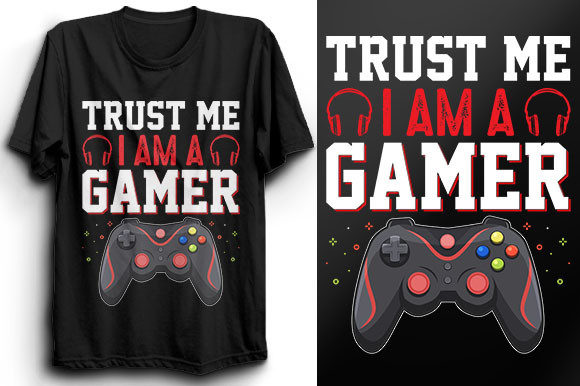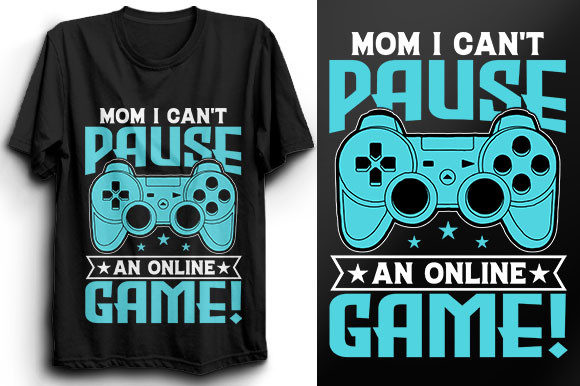
The Art and Utility of Gaming T-Shirt Design 66
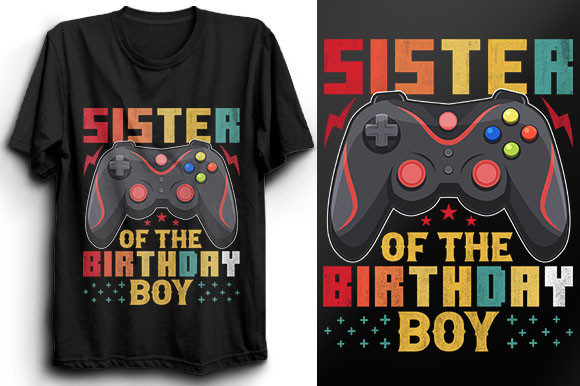
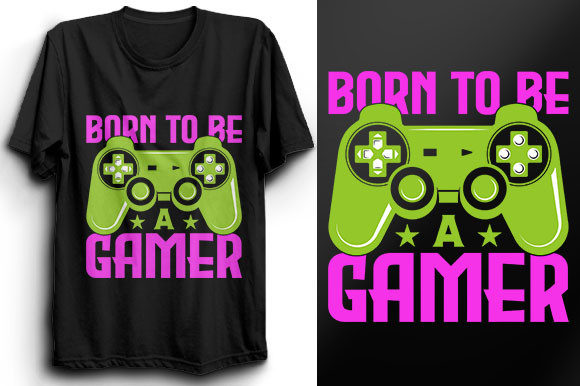
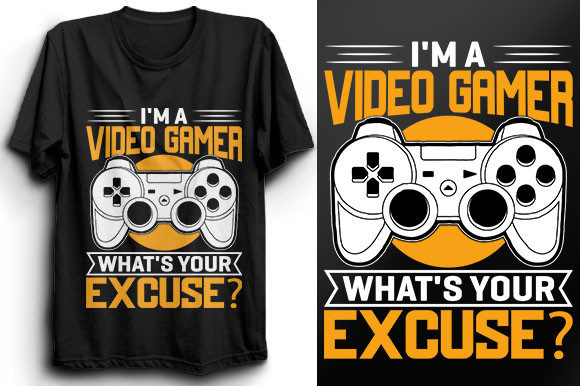
Whether you're a seasoned gamer celebrating a favorite title, a creator stocking your online merchandise store, or someone looking for a unique gift for a fellow enthusiast, a well-crafted graphic can make all the difference. Gaming T-Shirt Design 66 represents a specific piece of digital art designed for this very purpose. Its appeal isn't just in its visual content, but in its ready-to-use format as a complete digital file package, enabling you to bring a gaming-inspired aesthetic to physical products quickly.
Interest in such designs often stems from a desire for personalization without the complexity of starting from scratch. People seek out files like Gaming T-Shirt Design 66 to bypass the steep learning curve of graphic design software, to save time, and to ensure a professionally rendered graphic for their projects. However, the journey from downloading a file to having a successful printed product involves several nuanced steps that are often overlooked.
Common Oversights When Using Ready-Made Design Files
Choosing a pre-made design seems straightforward, but several subtle pitfalls can compromise your final result. Addressing these proactively saves not only money on misprinted items but also time and frustration.
Misunderstanding File Types and Their Uses
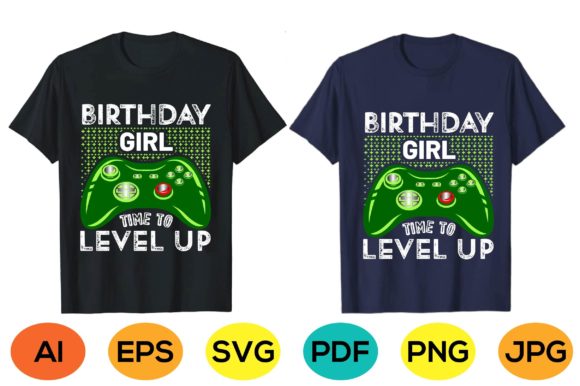
A common point of confusion lies in the different file formats included in packages like Gaming T-Shirt Design 66. The bundle typically includes SVG, EPS, and PNG files. Each serves a distinct purpose. The SVG and EPS files are vector formats. This means they are made of mathematical paths and can be scaled to any size—from a small mug to a large poster—without any loss in quality or sharpness. The PNG is a raster file at a high resolution (4500×5400 at 300 DPI), excellent for direct use in many online print-on-demand services.
The mistake occurs when users, perhaps unfamiliar with design terminology, use the wrong file for their chosen method. For instance, sending a PNG to a professional screen printer who requires vector artwork for large-scale printing might result in a blurry, pixelated final product. Conversely, trying to upload an EPS file to a web-based platform that only accepts PNG or JPG can cause an upload error and halt your project.
A better approach: Before you even select your printing service, inspect the files you've received. Open them with a free viewer if needed. Confirm you have the vector (SVG/EPS) for professional, scalable printing and the high-resolution PNG for simpler web uploads. Knowing your printer's requirements beforehand allows you to select the correct file instantly.
Neglecting the Importance of File Extraction and Organization
The download arrives as a compressed ZIP file. This is efficient for delivery but introduces a simple, yet crucial, step. A common oversight is trying to open the design files directly from the ZIP archive without extracting them first. Design software and most printing upload interfaces cannot read files that are still trapped inside a compressed folder. This leads to users mistakenly believing the files are corrupted or unusable.
Practical advice: Use a standard tool like WinZIP, WinRAR, or your operating system's built-in extraction function (often just a double-click). Extract all files to a dedicated folder on your computer. This not only makes them accessible but also keeps your digital assets organized for future use, preventing the "lost download" scenario when you need the design again months later.
Assuming Design Compatibility Without Checking Print Guidelines
Gaming T-Shirt Design 66, while versatile for items like t-shirts, mugs, bags, and posters, still operates within the technical constraints of print production. One overlooked detail is the design's inherent composition. Does it have a very large, solid block of dark ink that might be costly or heat-intensive for a shirt? Does it have intricate, fine lines that might not reproduce well on a textured mug surface?
Furthermore, many users forget to verify the print area specifications of their chosen product. A design created for a standard t-shirt might have elements too close to the edge that get cut off on a mug's curved print area. Applying a design blindly to any product listed can lead to disappointing cropping or awkward placement.
What to check before proceeding: Consult the technical guidelines of your printing service or manufacturer. Look for their template files for specific products (e.g., a mug template, a t-shirt placement guide). Overlay your design file, using the provided PNG, onto these templates in a simple image viewer or basic design program to ensure critical elements fit within the safe print zone. This pre-flight check is a standard professional step that vastly improves satisfaction.
Evaluating the Design for Your Specific Purpose
Beyond technicalities, the aesthetic and contextual fit of the design itself warrants careful consideration. Gaming T-Shirt Design 66 is inherently thematic. Its value multiplies when applied to the right context.
Applying a Niche Design Too Broadly
A potential misstep is treating a specific gaming design as universally appealing. While it might be perfect for a community of players or as a gift for a dedicated fan, using it for a general audience or an unrelated occasion might not communicate your intended message. The mistake isn't in the design's quality, but in its misapplication, which can affect the perceived professionalism of a merchandise store or the personal significance of a gift.
Realistic example: Imagine using a prominent gaming motif for a company team-building event shirt where gaming isn't a shared interest. The design, while excellent, becomes a confusing communication choice. A better approach is to match the design's theme to the audience's passions. For a gaming birthday party, a tournament prize, or a fan club merchandise, Gaming T-Shirt Design 66 would be an ideal and resonant choice.
Forgetting to Personalize or Adapt
Ready-made files offer a foundation, not a final decree. One overlooked opportunity is the ability to modify or combine these designs within the bounds of the license. Users sometimes treat them as rigid, final artworks. If you have basic design software, you can often add text, combine elements from other purchased designs, or alter colors to better match your brand palette or personal preference, provided the license allows for modification.
Before making a final decision, review the seller's usage license. Can you modify the file? If so, consider how even small tweaks—adding a name, a date, or a complementary logo—can transform a stock design into a uniquely personal item, increasing its value for gifts or branded merchandise.
A Constructive Path to Success
The process of utilizing a design like Gaming T-Shirt Design 66 is fundamentally about bridging digital art with physical creation. By paying mindful attention to the technical details of file formats, extraction, and print specifications, you safeguard the quality of your output. By thoughtfully evaluating the design's theme against your project's purpose and audience, you ensure its impact is meaningful.
Approach these files not as simple downloads, but as professional toolkits. Organize them, understand their components, and always test their application against the specific canvas—whether it's a shirt, a mug, or a poster. This disciplined, informed approach turns a promising digital asset into a flawless, satisfying real-world product, fulfilling the goal of celebrating special days, building a brand, or sharing passion with a community.