Evaluating the Dragon Logo for Your Brand Identity
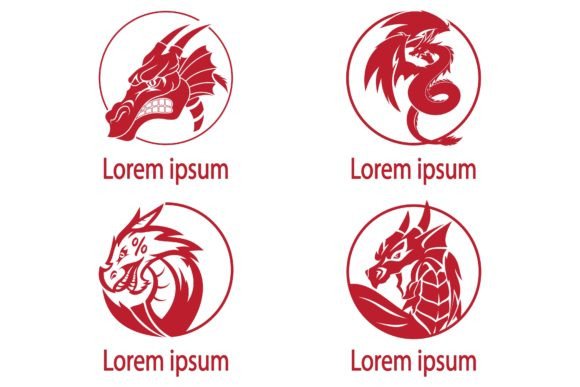
The Dragon Logo is a powerful and complex graphic symbol featuring the image of a dragon. It is not a single, specific design but rather a category or concept encompassing a vast array of visual interpretations—from simple, flat vector icons to ornate, 3D illustrations. These logos leverage the dragon, a mythical creature steeped in global mythology, particularly within Asian cultures like Chinese and Japanese traditions, to convey a set of potent attributes for a brand or organization.
Why Consider a Dragon Logo?
Interest in a Dragon Logo typically stems from a desire to infuse a brand identity with specific symbolic meanings. The dragon is universally associated with concepts of power, strength, protection, and majesty. In Chinese culture, it symbolizes luck, wisdom, and imperial authority, often linked to the zodiac. In Western heraldry and fantasy, it represents ferocity, guardianship, and ancient magic. A Dragon Logo can therefore appeal to businesses, teams, or creative projects seeking to project an image of authority, resilience, or mythical excellence.
Common scenarios include companies in technology, gaming, or sports wanting a mascot that conveys competitive edge and dominance; luxury brands aiming for an emblem of premium quality and heritage; or cultural festivals and organizations wishing to celebrate traditional Asian iconography. The dragon’s versatility allows it to be rendered in a modern, abstract style for a corporate logotype or in a vintage, ornate style for a more classic, royal feel.
Benefits and Strategic Value
A well-designed Dragon Logo offers several distinct benefits. Its primary advantage is immediate symbolic communication. The imagery of a dragon head, wings, or serpentine shape can instantly suggest qualities like security (as a guardian), innovation (as a magical force), or wild energy (as a predator). This can reduce the need for explanatory text and create a strong visual anchor for brand recognition.
Furthermore, the dragon is a visually dynamic creature. Design elements like flame, gradient color, wings, and dynamic poses offer rich creative possibilities. A logo can be crafted to feel aggressive and sporty or elegant and sophisticated, using color (red for passion and luck, gold for luxury, black for power) and style (flat design for a clean app icon, detailed illustration for a premium label). The dragon also works exceptionally well with other graphic concepts, such as integration within a shield or coat of arms for a badge feel, or clever use of negative space to form letters, such as a ‘D’ or ‘G’, blending alphabetic logotype with symbolic art.
Key Trade-offs and Considerations
Despite its strengths, choosing a Dragon Logo involves important considerations. The most significant trade-off is potential cultural complexity. While the dragon is a positive symbol in many Asian cultures, in some Western medieval contexts it can be associated with danger and monstrosity. A brand must carefully consider its audience and ensure the chosen design’s tone—be it a friendly cartoon dragon for kids’ products or a fierce wyvern for esports—aligns correctly with market perceptions.
Another consideration is design clutter. The dragon’s intricate nature—with wings, scales, and flames—can lead to overly complex logos that fail to scale well for small applications like mobile icons or business cards. The trend towards simple, minimalist branding may conflict with a highly detailed dragon illustration. Opting for a silhouette, a clean dragon fly icon, or an abstract serpent shape can mitigate this, preserving scalability while retaining the core concept.
Finally, there is a risk of genre cliché. In certain industries, like fantasy gaming or certain martial arts disciplines, dragon imagery is prevalent. A brand must work to ensure its Dragon Logo is unique and distinctive, avoiding a template feel. Investing in custom art that incorporates unique elements, such as specific color schemes (purple, blue), combining it with modern geometric shapes, or focusing on a specific dragon type (naga, hydra), can foster a more original brand identity.
Situations Where a Dragon Logo is a Strong Fit
- Brands Seeking Authority and Tradition: Companies in finance, security, or law, or those with roots in Asia, can use a dragon emblem (like a dragon guarding a shield) to project stability, protection, and respected heritage.
- Creative and Entertainment Industries: Gaming clans, esports teams, fantasy book publishers, or film studios can leverage a dragon mascot logo to instantly communicate adventure, power, and a mythical narrative, appealing directly to genre enthusiasts.
- Luxury and Premium Products: A gold, ornate, or heraldic dragon crest can signify exclusivity, craftsmanship, and ancient legend, suitable for high-end spirits, fashion, or collectibles.
- Events and Cultural Institutions: Festivals, sports clubs, or community organizations celebrating Lunar New Year or Asian culture can use vibrant, traditional dragon artwork for clear, celebratory identification.
When to Explore Alternatives
A Dragon Logo may not be the optimal choice in every scenario. If the core brand values are simplicity, absolute modernity, or gentle accessibility, other symbols might be more effective. For instance, a technology startup focusing on user-friendly innovation might find a dragon’s sometimes aggressive or ancient connotations misaligned; a simpler, abstract geometric logo could better convey clarity and forward-thinking.
Similarly, brands operating in markets where the dragon has strongly negative associations (perhaps as a demonic figure in specific religious contexts) should consider alternative powerful animals or symbols. Even within the realm of mythical creatures, alternatives like phoenixes (for rebirth) or griffins (for nobility) could achieve similar goals of strength and uniqueness without the specific cultural weight of the dragon.
Furthermore, if budget or design resources are limited, using a generic dragon vector from a template library can result in a logo that lacks distinctiveness and appears generic. In such cases, opting for a more straightforward letter-based logo (logotype) or a simpler animal icon might yield a more professional and unique result with fewer resources.
Practical Decision-Making Insights
To determine if a Dragon Logo aligns with your goals, conduct a structured evaluation. First, audit your brand’s core personality: is it powerful, mythical, traditional, or aggressive? If these traits are central, the dragon is a viable candidate. Next, analyze your audience’s cultural context and expectations. Will they interpret the symbol as intended?
Then, consider practical application. Sketch or gather examples of dragon logos in the style you envision—flat, gradient, black silhouette—and test how they would look on your website, app icon, merchandise, and advertising materials. Ensure the design can be simplified for small uses without losing its identity.
Finally, weigh the investment. A truly effective Dragon Logo often requires custom illustration or sophisticated vector art to avoid cliché and ensure versatility across media (from tattoo-style detail for a label to a clean pictogram for a mobile app). If your project scope allows for this investment, a dragon can become a timeless, vibrant, and meaningful centerpiece of your brand’s visual identity, carrying a legacy of legend, power, and cultural depth.