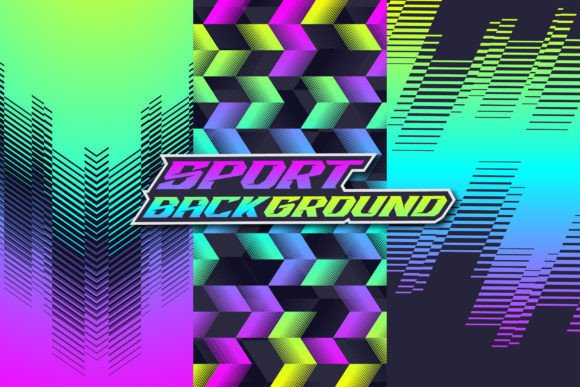
Abstract PSD Background Images: Essential Assets for Modern Creatives
In today’s visually driven digital landscape, the backdrop of your project can make or break its impact. Abstract PSD Background Images are not just decorative elements; they are foundational design assets. These files, typically created in Adobe Photoshop (PSD), offer layered, editable backgrounds featuring modern abstract designs—gradients, polygonal shapes, flat colors, and intricate patterns. They are designed at high specifications, like 3000×2000 pixels at 300 DPI, ensuring they are crisp for both web and print applications. For entrepreneurs launching a brand, marketers crafting a campaign, or a blogger elevating their site’s aesthetic, a high-quality abstract PSD background provides a professional starting point that is both versatile and efficient.
Common Missteps When Selecting Abstract Backgrounds
A significant, yet often overlooked, mistake is prioritizing style over substance. Many creators get captivated by a beautiful, colorful gradient or a trendy polygonal pattern without verifying the technical specifications. Downloading or purchasing a background labeled as “high quality” that is actually 72 DPI and 800×600 pixels will lead to a pixelated, unusable asset for a professional brochure or website hero section. This oversight directly affects project quality, forcing a time-consuming restart or resulting in a subpar final presentation that undermines the intended visual identity.
Another frequent misunderstanding is assuming all “PSD” files are equally editable. A true, useful Abstract PSD Background Image should have organized, named layers. Some sellers provide flattened PSDs or files with all elements merged, which offers no practical advantage over a standard JPEG. This severely limits customization. You cannot adjust individual color blocks, isolate a specific gradient, or remove an element to better suit your text overlay. Always confirm that the PSD is layered and that those layers are logically structured for easy manipulation.
Ignoring the Context of Use
Choosing a background solely because it’s “most sell” or “premium” without considering its context is a recipe for poor communication. An extremely vibrant, complex abstract background might be stunning as a desktop wallpaper or gaming background, but it could completely overwhelm and distract from the key message on a corporate presentation slide or an e-commerce product page. The background should complement and enhance the primary content, not compete with it. A simpler, cleaner abstract background with a more muted color palette often serves professional projects better, ensuring readability and visual hierarchy.
Practical Advice for Making Better Choices
Before downloading or buying any Abstract PSD Background Image, adopt a checklist mindset. First, always verify the resolution and DPI. For print materials like business cards or flyers, 300 DPI is essential. For web use, ensure the dimensions (like 3000×2000) are ample enough to cover modern, large-screen layouts without needing to stretch the image. Second, inquire about or preview the layer structure. If a preview isn’t available, consider it a red flag; reputable sellers usually showcase this feature. Third, think about color psychology and your brand. A colorful PSD background might feel modern and energetic, but does it align with your brand’s identity? An asset that clashes with your established colors will confuse your audience rather than strengthen your visual identity.
Let’s consider a realistic example. A freelancer is creating a website for a minimalist wellness brand. They choose a wildly colorful, geometric abstract background because it’s listed as “best background.” The result is a visually chaotic site that feels incongruent with the brand’s calm, clean ethos. A better approach would be to select a simple, gradient background with soft, natural tones from a “clean and easy to use” collection. This choice supports the brand message, allows text to be easily readable, and can be quickly adjusted within the PSD to tweak the gradient’s intensity.
The Cost of Overlooking File Format Versatility
While the PSD format is powerful for customization, professionals sometimes forget to check if other format versions are included. For efficiency, you may need a quick JPEG for a social media post or a PNG with a transparent area for a logo integration. Many premium packs offer the same design in multiple formats (PSD, JPEG, PNG). Ensuring you have this versatility saves you from the hassle of converting files yourself, which can sometimes degrade quality or alter colors unintentionally. It’s a simple detail that greatly enhances usability across different platforms and tasks.
Ensuring Your Background Enhances Usability
A background labeled “easy to use” should genuinely be easy to use. This means it shouldn’t require advanced Photoshop expertise to implement. Avoid assets with overly complex layer blending modes or effects that are difficult to modify. If you’re a beginner or a busy small business owner, seek out backgrounds described as “flat” or “simple” in their construction. These are often designed with clear, solid layers that you can recolor with a single click. This practical approach prevents frustration and keeps your project timeline on track.
Furthermore, consider the long-term use of the asset. A beautiful abstract background is not just for one project. A well-chosen, editable PSD can be repurposed for your email newsletter template, YouTube channel art, and event banners. Look for backgrounds that have a timeless, modern quality rather than those tied to a fleeting design trend. This mindset turns a single purchase into a valuable, recurring resource for your visual identity, maximizing cost-effectiveness and maintaining a cohesive look across all your communications.
Ultimately, the goal is to make a choice that serves your specific creative or business need without introducing unnecessary obstacles. By focusing on technical specifications, editability, contextual suitability, and format versatility, you move beyond simply acquiring a “most beautiful background” to securing a functional tool that elevates your work’s professionalism and impact. Abstract PSD Background Images, when selected wisely, become a silent powerhouse in your design toolkit, enabling you to create compelling visuals that resonate with your audience and faithfully represent your vision.