The Art of Atmosphere: Crafting Worlds with Fantasy Graveyard Backgrounds
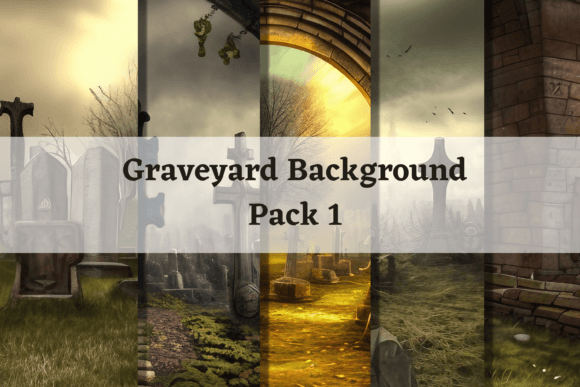
In the realms of creative design, setting the stage is half the story. Atmosphere is not just a backdrop; it is an active participant in storytelling, a silent character that whispers mood, history, and emotion to the viewer. Among the many evocative settings available to creators, the graveyard holds a uniquely powerful position, especially within fantasy genres. It is a place of quiet reflection, ancient secrets, and narrative potential. This exploration focuses on the practical application and artistic value of specialized digital assets like the Fantasy Background Graveyard Pack 1, a set of whimsical, fantasy background illustrations designed to bring these hauntingly beautiful spaces to life across a multitude of projects.
Unpacking the Digital Toolbox: What Makes a Graveyard Pack Versatile
Before delving into applications, it's crucial to understand the characteristics that make such a resource a staple in a creator's toolkit. A high-quality pack, such as this one, typically offers five distinct illustrations, each a complete scene at a resolution of 2048x2048 pixels. The 72 dpi specification ensures these images are optimized for digital use, maintaining clarity on screens without the excessive file size associated with print-resolution assets. The PNG format is a key advantage, providing transparency support where needed and ensuring compatibility with virtually any design software, from professional suites like Photoshop or GIMP to simpler online editors and game development engines.
The term "whimsical, fantasy background" is particularly telling. It suggests a departure from purely grim or horrific depictions. These illustrations likely blend traditional medieval graveyard elements—weathered stone, iron-wrought gates, ancient moss-covered tombs—with fantastical touches. Perhaps a softly glowing magical fungus illuminates the path, or the architecture hints at elven craftsmanship or dwarven stonework. This balance between the familiar and the imagined opens doors for a wider range of narratives, from melancholic fairy tales to mysterious adventure settings.
Core Advantages for the Modern Creator
The immediate download model addresses a fundamental need in today's fast-paced creative workflows: speed and autonomy. There is no waiting for physical shipment or dealing with complex licensing portals. Upon purchase, the assets are available, enabling creators to integrate them into projects without delay. This immediacy is invaluable for professionals facing deadlines or hobbyists inspired to work on a project spontaneously.
Another significant advantage is the non-destructive, layered potential of a background image. Unlike a 3D model or a constructed physical set, a high-resolution background illustration is a fixed canvas. This might seem limiting, but in practice, it offers immense flexibility. Designers can overlay text, logos, other graphical elements, or even composite additional characters into the scene. For illustrators, these backgrounds serve as a detailed reference or a base layer to paint over, saving hours on constructing complex environments from scratch. The singular focus on the background means it does not compete with the foreground subject; it supports it.
The Landscape of Application: Where Fantasy Graveyards Come Alive
The use cases for these assets are as diverse as the audience interested in them. They transcend single industries, becoming cross-disciplinary tools.
Visual Storytelling and Publishing
For authors and publishers, a compelling cover is the first handshake with a potential reader. A fantasy graveyard background can instantly establish genre, tone, and mystery. It might frame the title text for a Gothic fantasy novel or set the scene for a dark fairy tale collection. Similarly, bloggers writing about fantasy literature, game lore, or even historical cemetery preservation can use these images to break up text and create a visually cohesive theme for their posts, enhancing reader engagement.
Interactive and Game Design
In tabletop gaming, atmosphere is generated through descriptions and visual aids. These backgrounds are perfect for game masters creating custom campaign materials, digital handouts, or even as thematic backdrops for physical game boards when projected or printed. For digital game developers, especially those working in 2D or mobile genres, such packs provide ready-made environment art for key scenes, dialogue backgrounds, or menu screens, significantly streamlining the asset creation pipeline.
Social Media and Personal Expression
The demand for unique social media flare is constant. Content creators, streamers, and communities can use these illustrations as channel art, event banners, or evocative post graphics to stand out from generic templates. The whimsical fantasy angle allows for a tone that is intriguing rather than purely dark, suitable for building a mysterious or thoughtful brand identity.
Inspiration and Artistic Reference
Perhaps one of the most critical uses is as a spark for further creativity. Educators teaching digital art or illustration can use such packs to discuss composition, lighting in environment art, and thematic consistency. Researchers analyzing visual motifs in Gothic or fantasy art can use them as contemporary examples. For artists, a detailed background serves as an excellent reference for practicing texture rendering, studying how light interacts with aged stone and foliage, or simply jumping off into their own original drawing, bypassing the initial blank page hurdle.
Considerations for Effective Implementation
While the advantages are clear, successful use of any asset pack requires thoughtful consideration. The first is contextual harmony. A whimsical graveyard background might not suit a story of intense horror, just as a medieval one might clash with a sci-fi narrative. The creator must assess whether the aesthetic of the pack aligns with the tone of their project.
Secondly, technical integration matters. While compatible with any software that recognizes PNG, understanding basic image manipulation—such as cropping, color adjustment, or adding overlay effects—will maximize the value of the asset. For instance, warming the color tone slightly could make the scene feel more autumnal and nostalgic, while cooling it could enhance a sense of cold mystery.
Finally, there is the consideration of unique composition. Using a stock background does not mean accepting a generic outcome. The creator's foreground elements, typography choices, and color palette must work in concert with the background to produce a final piece that feels cohesive and original. The background should be a foundation, not the entire house.
Observing Trends in Digital Asset Use
The popularity of specialized packs like the Fantasy Background Graveyard Pack 1 reflects a broader trend in digital creation: the move towards modular, high-quality components. Creators are increasingly building projects by combining best-in-class assets—fonts, music, illustrations, 3D models—rather than creating every element themselves. This allows for a focus on core strengths and narrative assembly, democratizing high-level production values for professionals and hobbyists alike. It speaks to a creative ecosystem that values both specialization and collaboration, even if that collaboration is with the anonymous artist of a beautifully crafted background pack.
The graveyard, in the end, is more than a collection of stones and earth. In fantasy, it is a repository of memory, a threshold between worlds, a quiet garden of stories waiting to be told. A well-crafted digital illustration of such a place captures that potential and offers it in a practical, usable form. From the book cover that beckons a reader from a store shelf, to the game background that sets the mood for a pivotal encounter, to the blog image that gives visual weight to a written analysis, these assets perform a quiet but vital service. They provide not just a scene, but a sense of place, allowing countless other creators to step into that world and begin telling their own stories.