The Enigmatic Power of the Engraving Badge with Skeleton Playing VR
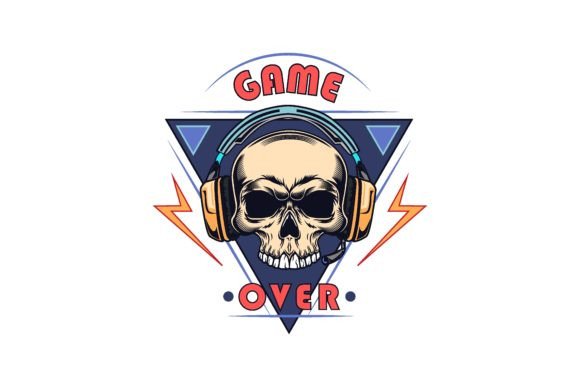
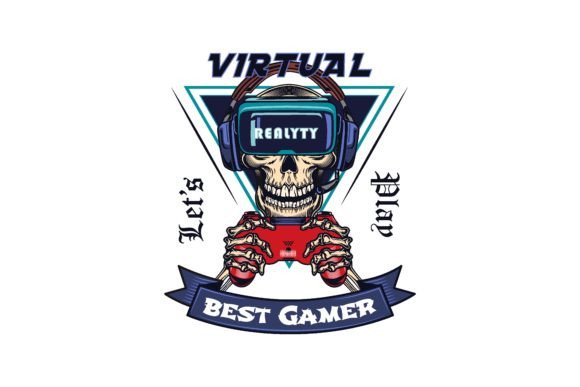
The modern graphic asset known as an Engraving Badge with Skeleton Playing VR is a fascinating visual contradiction. It blends traditional aesthetic—the classic, textured feel of engraved metalwork—with a distinctly contemporary and whimsical subject: a skull wearing sunglasses, actively engaged in a virtual reality game. This juxtaposition is its core strength. It speaks to a culture that venerates both retro style and cutting-edge technology, making it more than just a vector illustration; it’s a versatile creative catalyst.
Unpacking the Creative DNA
What makes this particular badge design so interesting is its layered symbolism. The skeleton is a universal symbol, often associated with mortality, but here it's recontextualized into a figure of leisure and modern entertainment. The VR headset signifies immersion in digital worlds, while the sunglasses add a layer of cool, casual detachment or perhaps a nod to the bright screens of gaming. The "engraving" style lends an air of permanence, quality, and heritage—as if this futuristic activity has been memorialized in a timeless medium. This combination creates a graphic that is simultaneously vintage and futuristic, serious and playful, making it incredibly adaptable for a wide range of creative applications.
A Launchpad for Creative Applications
The true utility of this asset lies in its potential as a foundational idea. For designers and marketers, it’s not merely a ready-made logo; it’s a creative direction. Consider the core elements: the engraved badge format, the skeletal figure, the VR activity, and the accessory (sunglasses). Each can be modified, emphasized, or recombined to serve different projects.
Branding with Character
For businesses in gaming, cybersport, or tech-laden leisure spaces, this concept is a goldmine. A barbershop aiming for a "cool" or retro-tech vibe might extract just the skull with sunglasses for a clean logo, using the badge as a background element for promotional flyers. A gaming zone or e-sports cafe could build a full identity around the complete scene, using the engraved texture to convey a sense of established, quality entertainment. The key is to decide which element aligns with your brand's primary message: is it the retro feel of the engraving, the edgy cool of the skeleton, or the tech-forward activity of VR gaming?
Content and Merchandise Inspiration
Bloggers, publishers, and content creators can use this theme as visual anchor for articles, videos, or podcasts exploring the intersection of retro culture and modern gaming. The image itself can be adapted into compelling thumbnails or header graphics. For merchandise, the design translates beautifully to physical products. Think of an actual engraved metal pin for a gaming community, a T-shirt print where the badge style is used with a different thematic character, or stylized stickers for a retro-themed tech event. The "badge" format inherently suggests collectibility and affiliation.
Educational and Conceptual Projects
Educators and freelancers working in fields like digital culture, media studies, or even graphic design history can use this illustration as a discussion point or project template. It visually encapsulates themes of human interaction with technology, the blending of old and new aesthetics, and digital identity. Students could be tasked with creating their own "engraved badge" for a fictional future hobby or sport, using the same stylistic constraints to explore composition and symbolism.
Adapting for Audience and Context
The successful use of this creative concept hinges on thoughtful adaptation. A stark, monochrome engraved version might appeal to a boutique game developer wanting a sophisticated, minimalist logo. A colorful, vibrant interpretation with neon highlights could become the centerpiece for a vibrant gaming zone's wall art or website banner. For a broader, less niche audience—such as general lifestyle bloggers—focusing on the "retro template" aspect can be more effective. One might create a series of social media posts using the badge style to frame different "retro-future" activities, keeping the skeleton but swapping the VR headset for other vintage-tech items.
Practical Guidelines for Implementation
To keep results clear and effective, start by defining your core objective. Is this for brand identity, content enhancement, or specific product design? Then, dissect the Engraving Badge with Skeleton Playing VR to see which parts serve that goal.
- For Originality: Use the style as inspiration, not a copy. Change the character (maybe a robot skeleton, a cybernetic animal), alter the activity (playing an arcade machine, holding a vintage controller), or tweak the badge shape (shield, circle, hexagon).
- For Consistency: If building a brand suite, establish rules from this starting point. Decide on a limited color palette that works with the engraved texture, choose a typography style that complements the feel (perhaps sleek modern fonts for the tech aspect, or serif fonts for the retro aspect), and apply these consistently across all materials.
- For Audience-Friendliness: Ensure the final design communicates clearly. If your audience isn't familiar with VR iconography, the symbolism might be lost. In such cases, you might need to pair the graphic with explanatory text or adjust the imagery to be more universally understood, while retaining the core engraved badge style.
From Single Asset to Creative Ecosystem
Ultimately, the Engraving Badge with Skeleton Playing VR is a seed. Its real power is unlocked when it sparks a broader creative system. A designer might develop a whole set of "Retro Tech Badges," each featuring a skeleton engaged in a different digital or analog activity. A marketer could use the theme to craft a complete campaign for a gaming lounge, with variations of the badge used for different services—one for VR rooms, one for console zones, one for membership. For the entrepreneur or small business owner, this approach provides a cohesive visual theme that can scale from a small logo to large environmental graphics without losing its character.
The balance between inspiration and practical guidance here is straightforward: let the intriguing contrast of the image open doors for creative thinking, but then apply disciplined design principles to channel those ideas into functional, audience-specific results. By respecting both the artistic novelty of the concept and the pragmatic needs of your project, you transform a single vector illustration into a versatile tool for storytelling, branding, and visual communication in our hybrid analog-digital world.